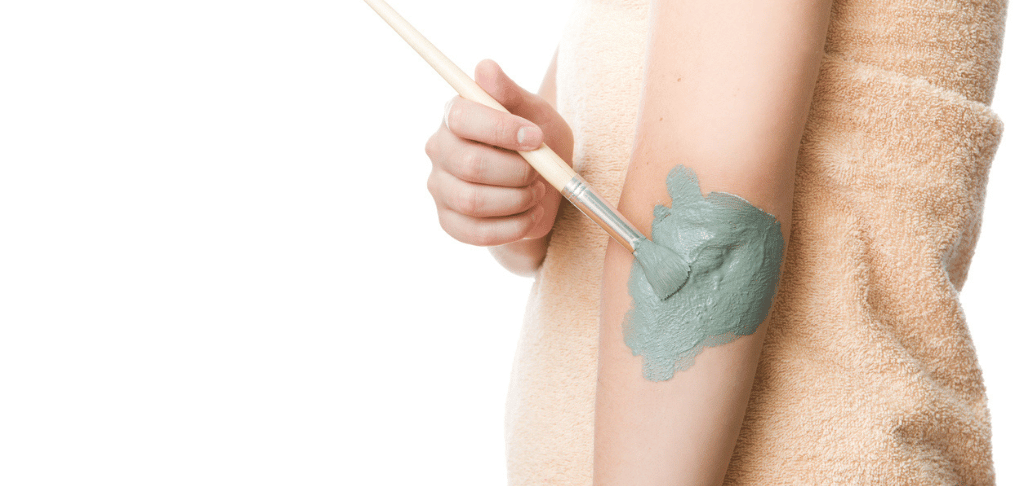
What is a clay poultice?
A clay poultice involves applying a layer of moist clay to a specific area of the body. This traditional method is used in body care for its desired effects on the skin and its targeted application. However, the properties and uses vary depending on the type of clay chosen.
What are the benefits of a clay poultice?
Provide comfort to muscles and joints
Green clay poultices have traditionally been used in body care routines, particularly on sensitive muscle and joint areas. Some people find this method helpful after physical activity or when experiencing tension in the back or other parts of the body. The level of comfort may vary depending on the individual and how the poultice is applied.
Enjoy a sensation of coolness or warmth
Depending on the temperature of the preparation, a clay poultice can provide a localized sensation of coolness or warmth. A cool application may feel soothing after an active day, while a lukewarm preparation can be part of a relaxation routine. Always follow the manufacturer’s recommendations for temperature and application time, and avoid extreme temperatures.
Contribute to skincare
Some clays are valued for their absorbent properties and their use in skincare. Depending on their composition, they may help absorb excess sebum from the skin’s surface. The choice of clay depends on its characteristics and intended use, so it is important to consult the manufacturer’s recommendations before applying it to any area of the body.
How to Prepare and Apply a Clay Poultice
1. Prepare the mixture
Place the required amount of clay in a clean container, then gradually add water until you obtain a smooth, thick paste that can be applied without running.
2. Choose the Right Utensils
Use a glass or ceramic container and a wooden spoon. Avoid metal or plastic utensils, as they may alter the properties of the clay. This recommendation does not apply to Manicouagan clay.
3. Apply the Poultice
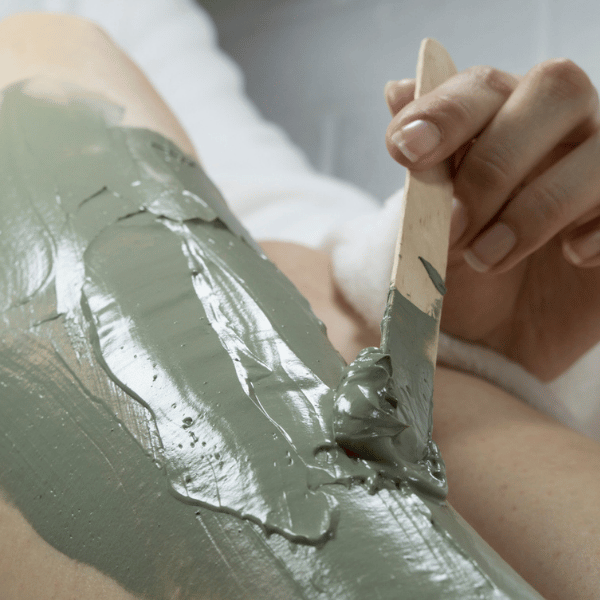
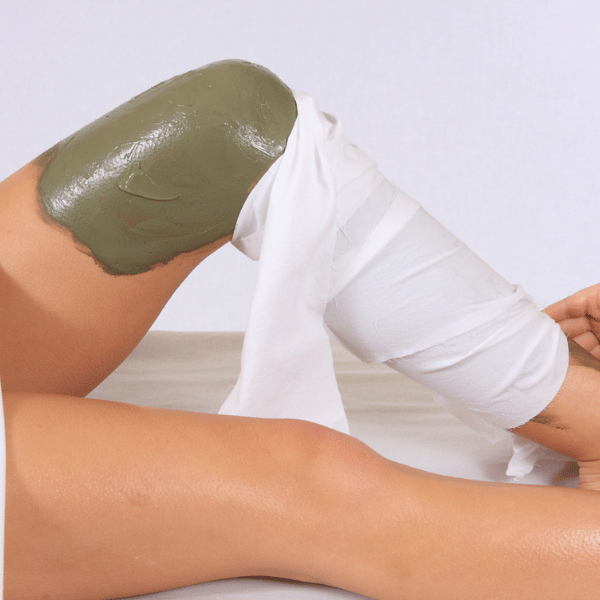
Using a wooden spatula, spread the clay paste evenly over a cotton or linen cloth without pressing it down too firmly. You can also apply the clay directly to the skin and then cover it with a cloth. In either case, make sure the layer of clay extends slightly beyond the area being treated. Secure the poultice in place with a bandage, making sure it is not too tight.
4. Follow the Recommended Application Time
For many types of clay, the recommended application time is approximately one hour. However, this may vary depending on the product and its intended use. It is best to follow the instructions provided on the packaging.
5. Remove the Poultice
Gently remove the cloth and clay, then rinse the area with lukewarm water if needed. Avoid rubbing the skin to remove any residue.
A Few Precautions to Keep in Mind
- Monitor your skin’s reactions. If you experience discomfort, an unpleasant sensation, or notice a skin reaction, remove the poultice and gently clean the area.
- Follow the instructions for use. Application times and recommended areas of application may vary depending on the type of clay. Follow the manufacturer’s instructions and consult a healthcare professional if you have any concerns, especially if you plan to apply a poultice to a painful area or an area affected by a health condition.
- Do not reuse the clay. Once used, dispose of it in the garbage rather than keeping it for another application. Reusable cloths can be washed after use.
Quelle argile choisir pour un cataplasme ?
Green clay has traditionally been a popular choice for preparing poultices, particularly for body care. However, the right clay depends on its composition, texture, and intended use.
At KŌSM, you’ll find a variety of options, from green clay that you can prepare yourself to ready-to-use clay pastes, each with its own characteristics and usage recommendations.
Aurys Green Clay
Aurys green clay is available in several forms, including crushed, superfine, and ultra-fine. The powdered or crushed varieties allow you to prepare your own mixture with water, following the manufacturer’s recommendations.
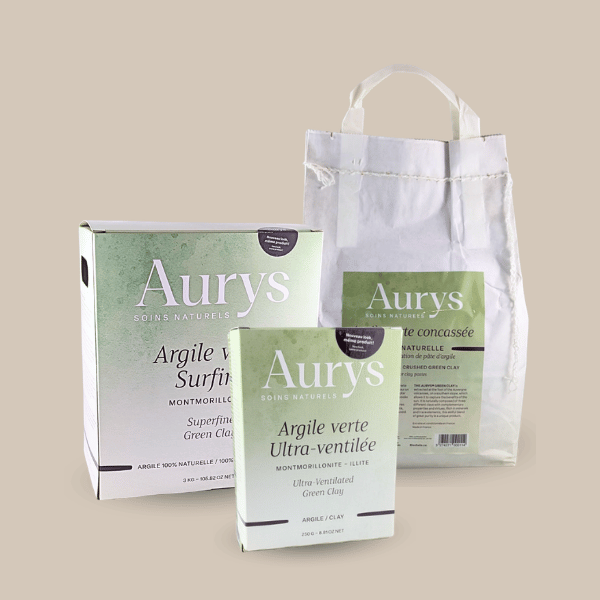
For a more convenient option, Aurys Ready-to-Use Green Clay is already prepared. Its texture makes it easy to apply, whether you’re using it as a face mask or a body poultice.
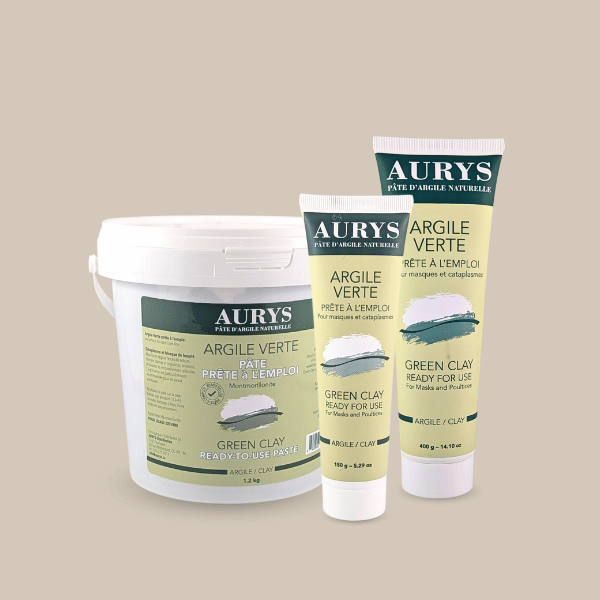
Discover Aurys Green Clay.
LUTUM47 Manicouagan Clay
Unique in its geological origin, Manicouagan clay is a Québec-sourced biomineral naturally rich in minerals and trace elements.
Available in different particle sizes, LUTUM47 clay can be used to prepare masks, poultices, and body wraps, depending on the variety selected and the manufacturer’s recommendations.
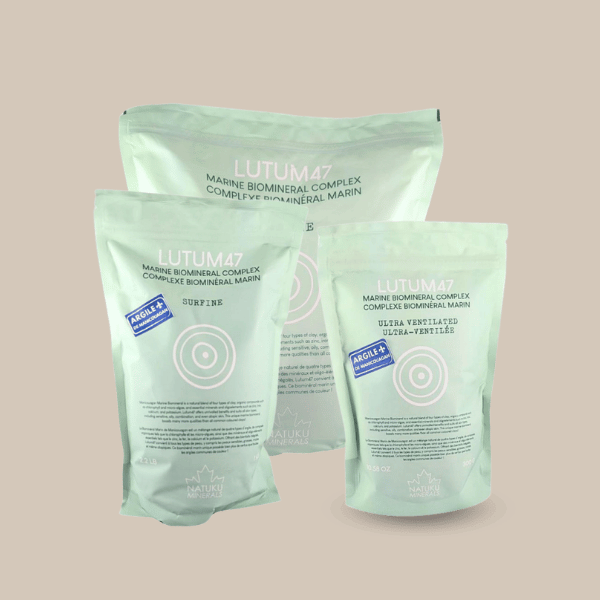
Discover LUTUM47 Manicouagan Clay.
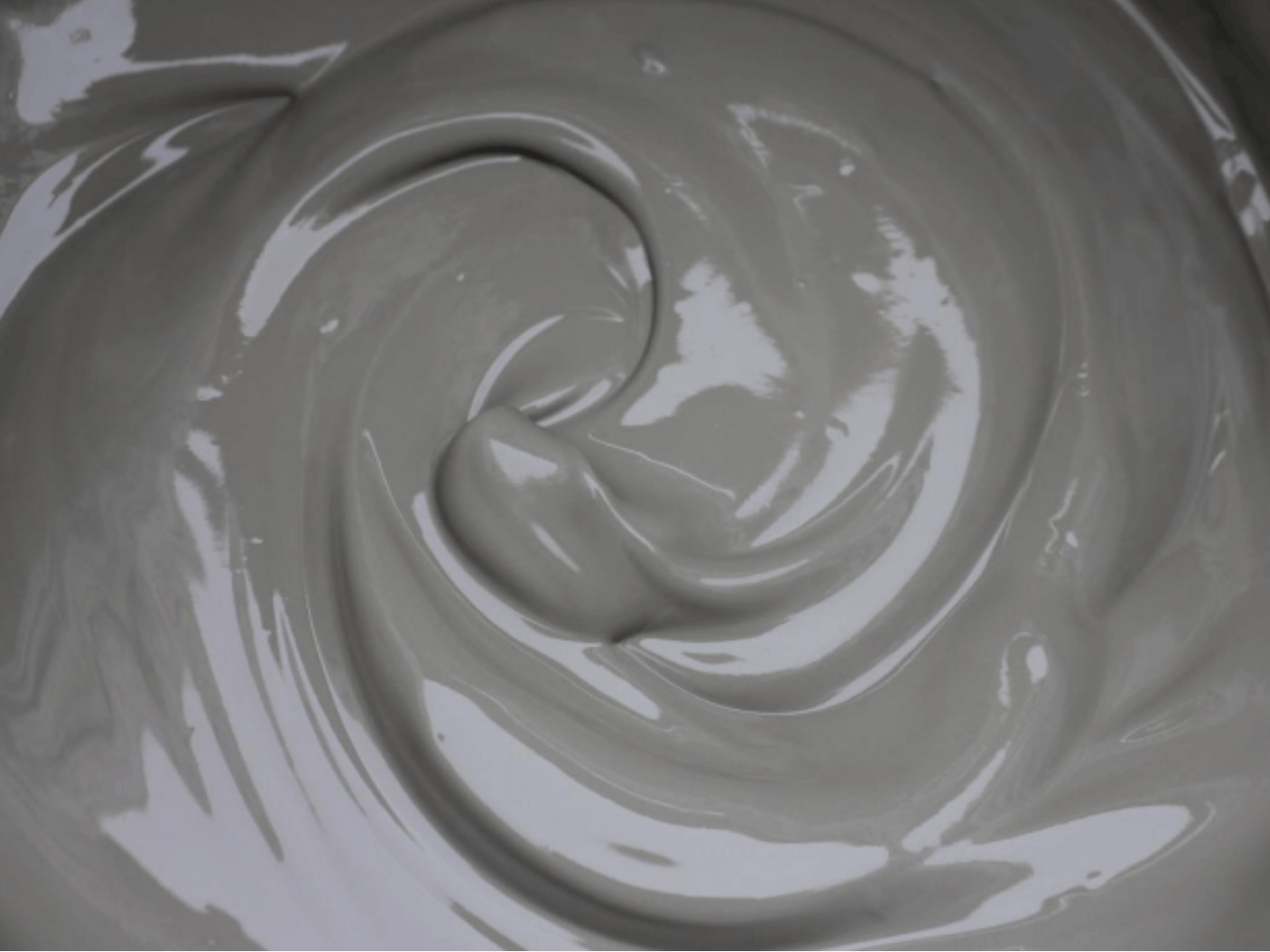
Formed millions of years ago following a meteorite impact, Manicouagan clay has a fascinating geological origin. Discover its history and mineral richness in our blog article.
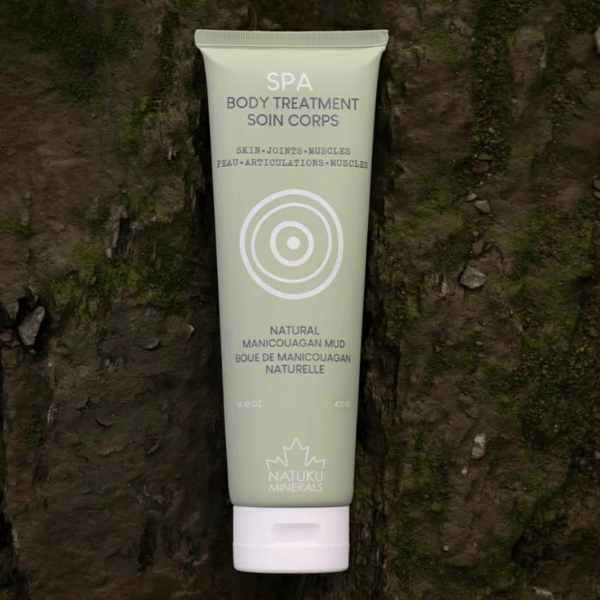
NATUKU SPA Body Care Clay Treatment
For those who prefer to skip the preparation step, NATUKU’s SPA Body Care Clay Treatment contains Manicouagan clay in a ready-to-use formula. It is designed for various body care applications, including body wraps and poultices. Refer to the product page for instructions on how to use it.
In summary
A clay poultice is a traditional method of incorporating clay into a body care routine. To prepare and apply one properly, it is important to choose a clay suited to your intended use and follow the manufacturer’s recommendations.
Whether you choose Aurys green clay, LUTUM47 Manicouagan clay, or a ready-to-use clay treatment, explore the options available at the KŌSM online store.